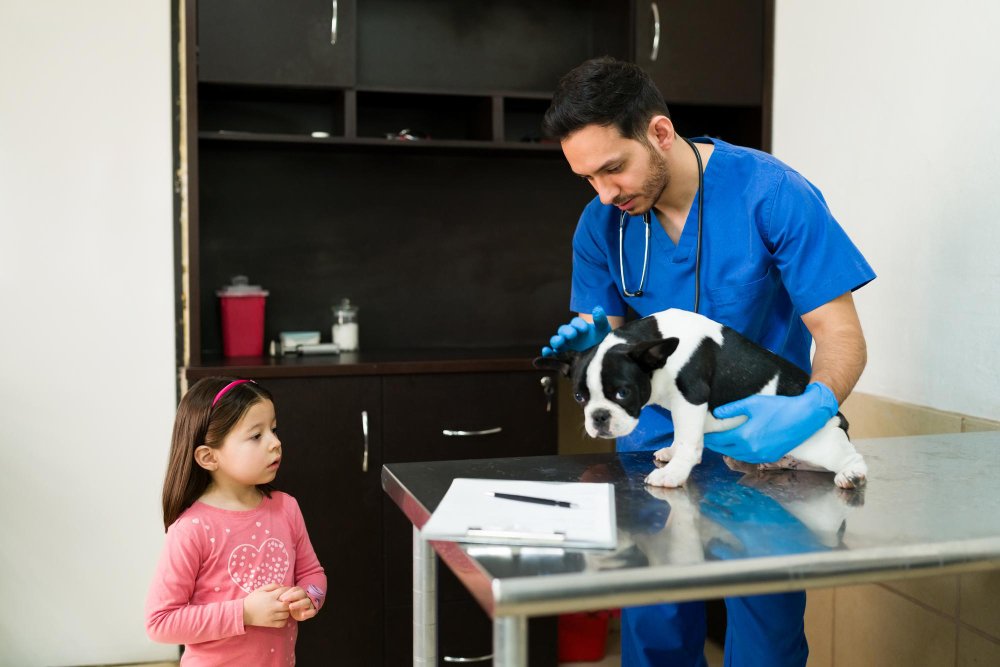
Investing in disability insurance for veterinarians can protect your income in the event of an injury or illness that keeps you from working. As a veterinarian, temporary or permanent disability is a daily concern. Animal bites, kicks, infections, and needle injuries may force you to take time off work. Here are a few disability insurance options for veterinarians in various specialties:
Own Occupation Coverage
Disability insurance allows you to receive benefits if you cannot perform your duties as a veterinarian. Own-occupation coverage offers benefits when the disability prevents you from working in your specific veterinary role. You can still work in another capacity without losing your benefits. As a veterinarian, your job relies on physical ability and precision-based skills. You’re expected to restrain pets, handle heavy livestock, or administer drugs using needles and drops. Animal surgeons also rely on precision to perform procedures.
A hand or eye injury may prevent you from performing surgeries. In such cases, own-occupation coverage replaces a portion of your income as you transition into clinical work or administrative roles. Without this disability insurance for veterinarians, the benefits are only paid if you’re unable to work in any occupation. Look for policies that protect your income based on your specific skills and duties, and that support your transition into other careers if needed.
Speciality-Specific Riders
Disability insurance policies may include riders that help tailor coverage to your specialty. These riders customize the policy to reflect the unique risks and skills associated with your work environment and the animals you handle. If you’re a surgeon, look for riders that emphasize loss of fine motor ability. For equine veterinarians, find coverage for injuries related to farm work and traveling between sites. Veterinarians who deal with exotic animals can find policies that compensate for zoonotic diseases or venomous snake bites. Look for standard riders, such as:
- Future increase option: Also known as benefits update, this rider increases coverage as your income grows. The increase doesn’t require additional medical underwriting.
- Residual disability rider: Provides partial benefits if you return to work part-time due to an injury or illness, and suffer a loss of earnings.
Specialty-specific riders and policies also help protect income as your responsibilities evolve. Working at a zoo or treating exotic animals may expose you to specialized diseases, remote travel, quarantine restrictions, or other unpredictable conditions. The policy should reflect these daily conditions and offer appropriate benefits. Riders and specialty-focused policies help retain the value of your training, specific roles, and projected salary.
Group and Individual Coverage
As a practice owner, you can customize group disability insurance to suit your employees’ needs. These plans often include simplified enrollment and standard coverage options, such as health, dental, vision, life, and optional accident or critical illness coverage. Group policies typically supplement individual plans that employees purchase on their own. Benefits are generally only available while the employee works for your practice and do not follow them to new jobs. Individual disability policies offer more control over benefits, riders, waiting periods, and coverage amounts, allowing veterinarians to tailor coverage to their specialty with precise definitions of disability. Pairing group and individual policies increases overall protection and helps fill potential income coverage gaps.
Student Disability Insurance
Disability insurance for soon-to-be veterinarians or recent graduates offers early income protection. Whether you plan to go into an apprenticeship, corporate, or private practice, secure disability insurance ahead of time. These plans are carefully designed to protect your financial future from potential disability, which can happen at any point in your early career. Obtaining insurance during this time also allows you to secure lower premiums.
You’re likely to have a better health rating due to fewer pre-existing age or work-related conditions. Look for student or resident disability plans that don’t require full proof of income. You can increase coverage as your earnings rise or when you transition from an internship or residency to full-time practice. This approach doesn’t require reapplication, which helps reduce potential rate increases linked to changing health conditions.
As a recent graduate, you’ll have limited experience handling physically demanding roles. Repetitive lifting, unpredictable animal behavior, and long procedures can increase the chances of strain or injury. Disability insurance protects your income, allowing you to cover recurring expenses, such as student loan debt, during your recovery. Long-term plans also offer salary replacement for extended or permanent disability.
Find Disability Insurance for Veterinarians
Disability insurance offers a safety net that protects your financial future by replacing lost income. Getting it as early as possible eliminates gaps that may leave you unprotected. Get started with disability insurance for veterinarians today to guard your income from potential injury and illness.