
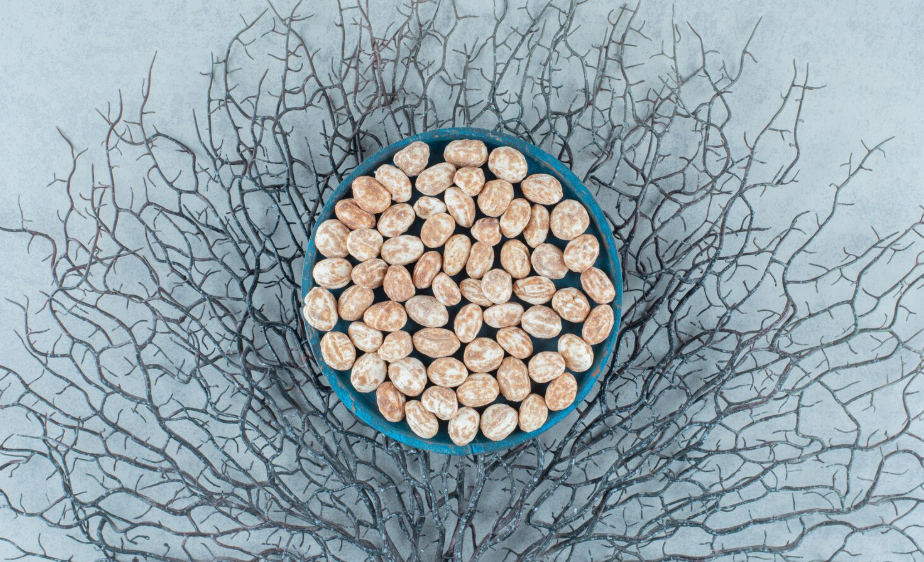
Seeds may appear lifeless, but within their tiny shells lies the power to create new life. Whether you’re a scientist, a gardener, or a sustainable-farming enthusiast, understanding the germination process is vital. The germinatoire — a carefully controlled environment or device for sprouting seeds — is at the heart of this biological miracle.
In this article, we’ll explore everything about the germinatoire — its meaning, structure, scientific basis, historical evolution, modern applications, and practical uses — blending both the science and the soul of growing life from seed.
Understanding What a Germinatoire Is
The term germinatoire originates from the French word germination, meaning “to sprout.” In its simplest form, a germinatoire is a chamber, device, or setup designed to provide optimal conditions for seeds to germinate.
Unlike simply sowing seeds in soil and waiting, a germinatoire ensures that every factor influencing germination — temperature, humidity, light, air circulation, and moisture — is precisely regulated.
Essentially, the germinatoire acts as a nursery for seeds. It offers a miniature ecosystem where life begins safely before being transferred into natural or artificial growing systems like fields, hydroponic setups, or greenhouses.
The Science Behind Germination
Before understanding the function of a germinatoire, it’s crucial to grasp what germination entails.
Germination is the process by which a seed develops into a new plant. It begins when the seed absorbs water, awakening the dormant embryo inside. This water absorption — known as imbibition — triggers metabolic processes that activate enzymes, soften the seed coat, and initiate growth.
Inside the germinatoire, this process is precisely supported by maintaining three vital conditions:
-
Moisture: Seeds need consistent humidity without being waterlogged.
-
Temperature: Different species require specific temperature ranges for enzyme activation.
-
Oxygen: Seeds must breathe; air circulation prevents fungal growth and ensures respiration.
A germinatoire balances all these aspects, acting like an incubator for plant embryos.
Historical Roots of the Germinatoire Concept
The idea of creating controlled spaces for seed germination is not new. Ancient civilizations — from the Egyptians to the Chinese — practiced primitive germination by keeping soaked seeds in warm cloths or earthen pots.
However, the modern germinatoire concept emerged during the 18th and 19th centuries when European botanists began experimenting with plant propagation. Early germinatoires were wooden boxes lined with moist sand and kept in sunlit rooms or near stoves for warmth.
As agricultural science evolved, inventors and researchers designed mechanical germinatoires with heating systems, water trays, and temperature gauges. Today, these have transformed into highly sophisticated digital germination chambers found in laboratories and greenhouses worldwide.
The Structure and Components of a Germinatoire
A germinatoire can be as simple as a box or as advanced as a computerized lab unit. Regardless of complexity, all germinatoires share common functional components:
(a) Enclosure or Chamber
The physical body of the germinatoire — often made from glass, metal, or polymer materials — provides an insulated environment that traps heat and moisture. Some chambers are transparent to allow light penetration; others are opaque for light-sensitive seeds.
(b) Temperature Control Unit
Precise temperature regulation is key to consistent germination. Most modern germinatoires use thermostatic controls, sensors, and even PID controllers to maintain steady warmth, typically between 20°C–30°C depending on seed type.
(c) Humidity System
Humidity trays, ultrasonic misters, or water reservoirs maintain the moisture level. Seeds need moisture to soften their coats but too much can cause rot — hence, automatic humidity balancing systems are often integrated into germinatoires.
(d) Lighting Module
Some seeds germinate better in darkness (like lettuce or onion), while others prefer light. The germinatoire may include LED grow lights or shading mechanisms to simulate natural day–night cycles.
(e) Air Circulation Mechanism
A small fan or ventilation system ensures oxygen distribution, prevents mold, and keeps temperature uniform throughout the germinatoire.
(f) Shelves or Germination Trays
Seeds are typically placed in labeled trays or racks within the germinatoire. These trays may contain moist paper, vermiculite, peat, or soil mixtures depending on the species being germinated.
By synchronizing these elements, the germinatoire offers the perfect cradle for new life.
Working Principle of a Germinatoire
The operation of a germinatoire revolves around creating and sustaining the ideal microclimate for seed awakening. Here’s how it works step-by-step:
-
Preparation: Seeds are cleaned, treated (if needed), and placed on moistened substrates inside trays.
-
Programming: The operator sets desired temperature, humidity, and lighting parameters.
-
Activation: The germinatoire begins to heat, humidify, and circulate air automatically.
-
Monitoring: Sensors continuously read data and adjust controls to ensure stability.
-
Observation: Seeds are periodically inspected for sprouting, fungal growth, and uniformity.
-
Transfer: Once germinated, seedlings are transplanted into pots or hydroponic systems.
This closed-loop mechanism eliminates environmental uncertainty, ensuring maximum germination rates.
Types of Germinatoires
Depending on scale, purpose, and technology, germinatoires fall into several categories:
1. Manual Germinatoire
A low-tech version for small gardeners or classrooms. It might be a simple covered tray or plastic dome with ventilation holes, maintained manually by checking temperature and moisture.
2. Electric Germinatoire
Common in laboratories and plant nurseries, this type includes thermostatic heating, lighting control, and humidity regulation systems.
3. Hydroponic Germinatoire
Used in modern agriculture, it incorporates water-based germination mediums, integrating with hydroponic growing systems.
4. Industrial Germinatoire
Large-scale, automated chambers used for agricultural research or seed testing facilities. These can accommodate thousands of samples with independent temperature zones and digital logging systems.
5. Portable Germinatoire
Compact, mobile devices for fieldwork or research expeditions — ideal when scientists need to test seed viability outside laboratory environments.
Each variation serves the same biological goal: nurturing the early life of plants.
Importance of the Germinatoire in Modern Agriculture
The germinatoire has revolutionized how humanity grows food and plants. Here are several ways it supports agriculture and sustainability:
-
High Germination Rate: By eliminating environmental stress, germinatoires achieve up to 95–100% germination success.
-
Seed Testing: Agricultural institutes use germinatoires to evaluate seed quality, vigor, and genetic stability.
-
Research Efficiency: Botanists study how temperature or light affects different species, accelerating breeding programs.
-
Year-Round Production: Even in winter or arid zones, germinatoires allow continuous cultivation cycles.
-
Resource Optimization: Less water and energy are wasted compared to open-field sowing.
In essence, the germinatoire symbolizes precision agriculture — the fusion of biology and technology for sustainable growth.
Setting Up a Home Germinatoire
You don’t need an expensive lab to create your own germinatoire. A home version can be built using simple materials:
Step 1: Select a Container
Use a transparent plastic box or aquarium. Ensure it has a tight lid to preserve humidity.
Step 2: Add Substrate
Place a layer of moist paper towels, vermiculite, or coco peat at the bottom.
Step 3: Regulate Temperature
Position the box in a warm area or near a small heating pad. Ideal range: 22°C–28°C.
Step 4: Maintain Moisture
Spray water daily to keep humidity above 70%. Avoid standing water.
Step 5: Provide Air and Light
Drill small holes for ventilation. If seeds need light, use a small LED lamp with a 12-hour on/off cycle.
This DIY germineatoire can sprout herbs, vegetables, and even tropical species efficiently — bridging the gap between science and home gardening.
Germineatoire and Sustainable Food Systems
In an era of climate change, food insecurity, and declining soil fertility, the germineatoire represents more than just a tool; it’s a symbol of resilience.
By controlling the germination phase, farmers can ensure crop uniformity, shorten growth cycles, and adapt to unpredictable weather. Urban farming projects use compact germineatoires in vertical gardens and rooftop greenhouses to produce greens efficiently.
Moreover, sustainable programs in developing countries introduce low-cost germineatoires made from recycled materials to help smallholders multiply high-quality seedlings without chemical treatments.
Hence, the germineatoire is a bridge between ecological responsibility and technological innovation.
Germineatoire in Scientific Research
In laboratories, the germineatoire serves a deeper purpose — it’s not just for growing plants but for discovering biological truths. Scientists use it to:
-
Study the effects of temperature stress on seed metabolism.
-
Test dormancy-breaking treatments like scarification or hormone application.
-
Observe root and shoot emergence times under controlled light conditions.
-
Measure enzyme activity during early growth stages.
-
Evaluate genetic expression of crops in relation to germination environments.
Each experiment inside a germineatoire contributes to our broader understanding of life processes, genetics, and agricultural biotechnology.
How Germineatoires Enhance Seed Longevity and Quality
Seeds lose vigor with time. A germineatoire allows scientists and farmers to assess seed aging and rejuvenate stock. For example:
-
Viability testing: Old seeds are germinated under controlled conditions to measure vitality.
-
Rehydration protocols: Controlled humidity reactivates metabolic enzymes in aged seeds.
-
Quality certification: Seed companies rely on germineatoires to standardize product quality before distribution.
Thus, the germineatoire is essential not just for growing, but also for preserving biodiversity.
Germineatoire vs. Greenhouse: Key Differences
Many confuse a germineatoire with a greenhouse, but the two serve distinct roles:
| Feature | Germinatoire | Greenhouse |
|---|---|---|
| Purpose | To initiate seed germination | To grow plants after germination |
| Scale | Small, enclosed chamber | Large structure covering crops |
| Control Level | Precise micro-climate regulation | Broad environmental management |
| Duration of Use | Early seedling phase | Full growth cycle |
| Technology | Often automated, sensor-driven | May use passive or semi-active systems |
In short, a germineatoire is the cradle, while the greenhouse is the school for young plants.
Challenges and Limitations of Germineatoires
While powerful, germineatoires also present certain challenges:
-
Energy Consumption: Continuous heating and humidity control can increase power usage.
-
Maintenance: Fungal contamination or mechanical failure can affect large batches of seeds.
-
Cost: Industrial-grade germineatoires are expensive for small farmers.
-
Species Variability: Some seeds respond differently to artificial environments, requiring fine-tuning.
Yet, innovation continues to address these issues with solar-powered models and smart IoT sensors.
Future of Germineatoire Technology
The next generation of germineatoires will merge artificial intelligence, nanotechnology, and biotechnology. Future trends include:
-
AI-Driven Climate Control: Machine learning will optimize humidity and temperature automatically.
-
IoT Connectivity: Remote monitoring through mobile apps will allow farmers to track germination in real time.
-
Smart Sensors: Advanced biosensors will detect fungal spores or oxygen fluctuations.
-
Renewable Energy Integration: Solar panels and biothermal systems will make germineatoires energy-neutral.
-
3D-Printed Structures: Modular, eco-friendly designs will allow scalable customization for any crop.
These innovations transform the germineatoire from a simple device into a smart biological ecosystem.
The Human Connection: Why the Germineatoire Matters Beyond Science
Beyond laboratories and farms, the germineatoire holds a symbolic meaning. It represents hope, patience, and transformation — the same values mirrored in human growth. Watching a seed sprout within the germinatoire reminds us of life’s fragility and potential.
Educators use germineatoires in classrooms to teach children about biology, sustainability, and responsibility toward nature. Urban dwellers use them as wellness tools — small green spaces symbolizing mindfulness and life’s continuity.
In essence, every germineatoire is a metaphor for creation, nurturing, and renewal.
Conclusion: The Living Power of the Germineatoire
The germinatoire is not merely a tool — it’s a bridge between nature and technology, between science and soul. From ancient seed pots to AI-controlled germination chambers, humanity’s fascination with growing life endures.
By mastering this delicate art, we secure not only better crops but also a deeper appreciation of the forces that sustain our planet. Whether in a rural lab or a kitchen countertop garden, every germineatoire whispers the same timeless truth: life always finds a way to grow.