
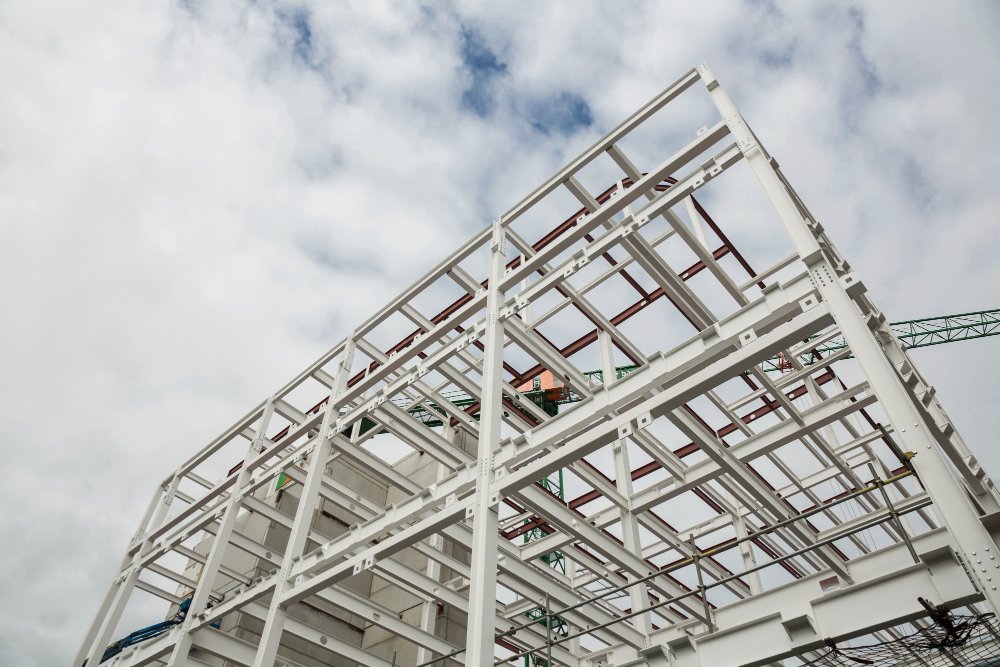
Pre-engineered metal buildings (PEMBs) are a popular modern construction solution. Designed and fabricated by a manufacturer, the components are shipped to a job site for assembly. This streamlined process provides a compelling alternative to traditional construction methods.
The Advantages of PEMB Systems
The shift toward pre-engineered metal buildings isn’t just a trend; it’s driven by a range of tangible benefits that address the core challenges of modern construction: time, cost, and quality.
Faster Construction Timelines
One of the most significant benefits of a PEMB is the speed of construction. Since all components are pre-fabricated in a controlled factory environment to exact specifications, on-site work is primarily about assembly. This reduces the lengthy timelines associated with traditional building methods, which are often delayed by weather, material sourcing issues, or on-site fabrication errors. A faster build means your facility is operational sooner, providing a quicker return on investment.
Cost-Effectiveness
PEMB systems are highly cost-effective. The efficient manufacturing process minimizes material waste, and the reduced on-site labor requirements translate to lower construction costs. Furthermore, the long-term savings are substantial. Steel is a durable, low-maintenance material resistant to pests, fire, and rot, which means fewer repair and upkeep expenses over the life of the building.
Design Flexibility and Customization
Contrary to the misconception that pre-engineered means “one-size-fits-all,” PEMBs offer incredible design flexibility. They can be customized with various architectural finishes, including glass, brick, or stone facades, to achieve any desired aesthetic. The interior clear-span capabilities allow for vast, open spaces without the need for obstructive support columns, making them ideal for warehouses, manufacturing plants, and recreational facilities.
Durability and Strength
Steel is one of the strongest building materials available. PEMBs are engineered to withstand harsh weather conditions, including heavy snow, high winds, and seismic activity, specific to their geographic location. This inherent strength ensures a safe, secure, and long-lasting structure.
Types of Pre-Engineered Metal Buildings
PEMB systems can be designed in several different frame styles to accommodate various functional needs and building dimensions. Understanding these types is key to selecting the right structure for your project.
Clear-Span Frames
As the name suggests, clear-span frames provide an open interior space completely free of structural columns. This design is perfect for applications requiring unobstructed floor space, such as aircraft hangars, indoor sports arenas, and large warehouses. They can typically span widths of up to 300 feet.
Multi-Span Frames
For buildings that exceed the width limitations of a clear-span design, multi-span frames are used. These systems include interior support columns to break up the span, making it possible to construct buildings of virtually unlimited width. This makes them a popular choice for large distribution centers and massive manufacturing facilities.
Lean-To Frames
A lean-to structure attaches to an existing building, sharing a wall and support system. It’s an economical way to expand a facility, adding space for offices, storage, or a new production line without constructing an entirely new standalone building.
Tapered Beam Frames
This is a common design for smaller buildings where a straight column is used on one side and a tapered column on the other. It is an efficient use of steel and is often seen in smaller commercial or retail spaces.
Common Applications of PEMB Systems
The versatility of pre-engineered metal buildings allows them to be used across a wide spectrum of industries.
While PEMBs are generally cost-effective, several factors influence the final price of a project.
The size and complexity of the building are the most significant cost drivers. Larger buildings require more steel, and complex designs with multiple spans or custom features will increase the price. The cost of raw steel is also a major factor, as it fluctuates based on global market demand.
Additionally, the building’s location impacts the cost. Local building codes may require specific engineering to handle regional wind, snow, or seismic loads, which can add to the design and material costs. Finally, the choice of finishes—such as insulation, doors, windows, and exterior facades—will also affect the overall budget. It is always wise to consult with professional metal building installers in Huntsville or your local area to get an accurate quote based on your project’s specific requirements.
Future Trends in Metal Buildings
The PEMB industry continues to evolve with advancements in technology and a growing emphasis on sustainability. We are seeing a move toward more energy-efficient buildings, with enhanced insulation systems and cool metal roofing that reflects solar radiation.
The integration of smart technology is also on the rise, with sensors and automation being built into the design for better building management. Furthermore, the use of recycled steel and sustainable manufacturing practices is making PEMBs an even more environmentally friendly choice for construction.
Conclusion
Pre-engineered metal buildings (PEMBs) offer speed, savings, and strength, making them ideal for many low-rise applications like storage sheds and manufacturing facilities. As a durable, low-maintenance, and cost-effective alternative to traditional construction, PEMBs are setting a new standard for efficiency in the building industry.