
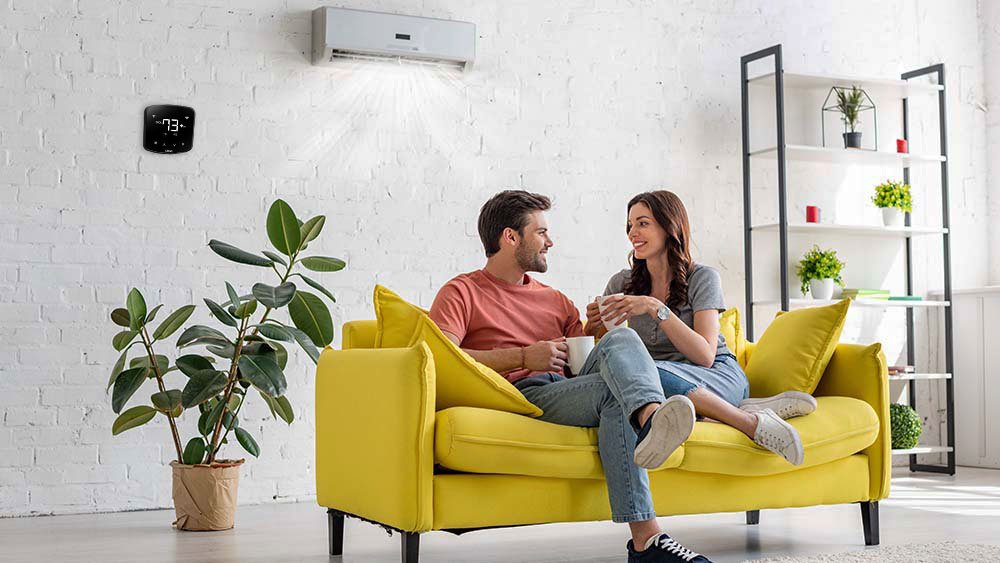
Air conditioning is essential during heatwaves but contributes significantly to energy consumption, using 6% of all electricity in the U.S. annually. This costs homeowners about $29 billion each year and has a notable environmental impact.
Simple Changes, Big Savings
You don’t need to make a huge investment to start saving on your cooling costs. Small adjustments to your daily habits can lead to significant reductions in energy use. It all starts with being more mindful of how and when you use your air conditioner.
Adjust Your Thermostat
One of the easiest ways to save energy is by adjusting your thermostat. For every degree you raise the temperature, you can save up to 3% on your cooling costs. The U.S. Department of Energy recommends setting your thermostat to 78°F (26°C) when you’re at home. While that might sound warm, your body can adapt. When you’re away from home or asleep, consider setting it even higher to maximize savings. A programmable or smart thermostat can automate this process, making it effortless to save.
Use Fans to Your Advantage
Ceiling fans and portable fans are your best friends during the summer. They create a wind-chill effect that makes you feel cooler, allowing you to raise the thermostat by about 4°F without a noticeable difference in comfort. Remember that fans cool people, not rooms, so be sure to turn them off when you leave a room to save electricity. Running a fan costs significantly less than running an air conditioner, making it a cost-effective way to stay comfortable.
Block Out the Sun
A surprising amount of heat enters your home through its windows. During the sunniest parts of the day, close your blinds, shades, and curtains to block direct sunlight. This simple action can reduce indoor temperatures and lessen the load on your AC unit. Light-colored curtains or blinds are particularly effective as they reflect heat away from the windows.
Reduce Indoor Heat Generation
Your home’s appliances, lighting, and even your cooking can generate a lot of heat. On hot days, try to minimize the use of heat-producing appliances like ovens, stovetops, and clothes dryers. Opt for grilling outdoors, using a microwave, or preparing cold meals like salads. Switching to energy-efficient LED light bulbs can also help, as they produce much less heat than traditional incandescent bulbs.
Upgrade to Energy-Efficient Technology
While behavioral changes are effective, upgrading your home with energy-efficient technology can provide even greater long-term savings. These investments not only reduce your cooling costs but can also increase your home’s value.
Install an Energy-Efficient Air Conditioner
If your air conditioner is more than 10 years old, it might be time for an upgrade. Modern AC units are far more efficient than their older counterparts. Look for models with a high Seasonal Energy Efficiency Ratio (SEER). The higher the SEER rating, the more efficient the unit. A new, high-efficiency air conditioner can reduce your cooling energy consumption by 20% to 50%.
Improve Your Home’s Insulation
Proper insulation is crucial for keeping your home cool in the summer and warm in the winter. It acts as a barrier, preventing heat from entering your home. Check the insulation in your attic, walls, and floors. If it’s inadequate, adding more can be one of the most effective ways to improve your home’s energy efficiency. While it’s a significant upfront investment, improved insulation pays for itself over time through lower energy bills.
Seal Air Leaks
Air leaks around windows, doors, and ductwork can let cool air escape and hot air seep in, forcing your AC to work harder. Use caulk and weatherstripping to seal gaps and cracks. A professional energy audit can help you identify less obvious leaks. Sealing your home’s envelope is a cost-effective way to ensure your cooled air stays where it belongs. This same principle applies on a larger scale in commercial settings, where solutions like data center curtains are used to manage airflow and improve cooling efficiency.
Keep Your System in Top Shape
Regular maintenance is key to ensuring your cooling system runs efficiently and effectively. A neglected air conditioner has to work harder to cool your home, which leads to higher energy bills and a shorter lifespan for the unit.
Clean or Replace Your Air Filters
One of the simplest yet most important maintenance tasks is cleaning or replacing your air conditioner’s filters. Clogged, dirty filters block airflow and reduce your system’s efficiency. Check your filters every month, especially during peak summer months, and clean or replace them as needed. A clean filter can lower your AC’s energy consumption by 5% to 15%.
Schedule Professional Maintenance
In addition to changing your filters, it’s a good idea to have your HVAC system professionally serviced at least once a year. A technician can inspect the entire system, clean the coils, check refrigerant levels, and ensure all components are working correctly. This preventative maintenance can improve efficiency, prevent costly breakdowns, and extend the life of your equipment.
Keep the Outdoor Unit Clear
The outdoor condenser unit of your air conditioner needs clear airflow to operate properly. Make sure the area around it is free of leaves, grass, and other debris. Trim any shrubs or plants to ensure there is at least two feet of clearance on all sides. A clean and clear outdoor unit can dissipate heat more effectively, improving the system’s overall performance.
Embrace Smart Home Automation
Smart home technology offers powerful tools for optimizing your cooling and maximizing energy savings. By automating your home’s systems, you can ensure you’re only using energy when and where you need it.
Install a Smart Thermostat
A smart thermostat learns your schedule and preferences, automatically adjusting the temperature for optimal comfort and efficiency. You can control it remotely from your smartphone, allowing you to make adjustments on the go. Some smart thermostats even provide detailed energy reports, helping you track your usage and identify opportunities for further savings.
Use Smart Blinds and Curtains
Take window management to the next level with smart blinds or curtains. You can program them to automatically close during the hottest parts of the day and open when the sun goes down. This hands-free approach ensures you’re always blocking out unwanted heat without having to think about it.
Integrate Your Smart Devices
The true power of smart home technology lies in integration. You can create routines that link your thermostat, fans, and blinds together. For example, you could set up a “Leaving Home” scene that automatically raises the thermostat, turns off the fans, and closes the blinds with a single command. This level of automation makes saving energy effortless.
Conclusion
Reducing your cooling energy consumption is an achievable goal that benefits both your finances and the environment. By combining simple behavioral changes, strategic technological upgrades, regular maintenance, and the power of smart home automation, you can create a comfortable living space that is also highly energy-efficient.