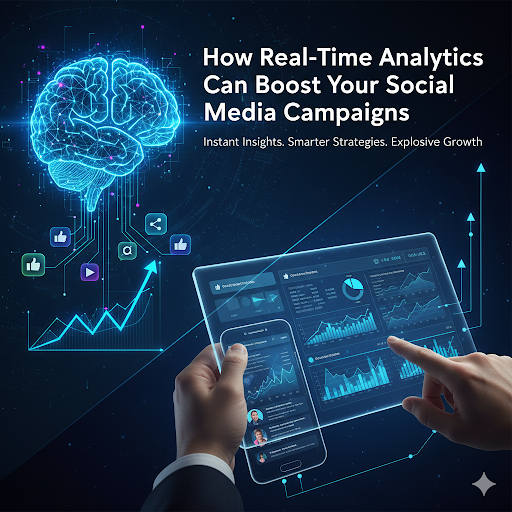
Social media campaigns move fast. Trends shift overnight, algorithms update quietly, and audience behavior can change without warning. For marketers, reacting at the right time often determines whether a campaign thrives or fades away. Real-time analytics helps bridge that gap by turning constant data flow into immediate insight. Using tools like the Google Sheets Connector, marketers can automatically pull fresh data from Facebook Ads, Instagram, YouTube, and TikTok into one easy dashboard. This makes it simpler to track what’s working and adjust strategy before opportunities disappear.
Why Timing Is Everything in Social Media
In social media marketing, timing and relevance often decide engagement levels. A post that performs well today might underperform tomorrow if the audience’s attention shifts. Real-time analytics helps teams recognize these changes as they happen.
The Problem With Delayed Data
Most marketers still work with:
- Static reports are built once a week
- Outdated performance snapshots
- Manual exports from multiple platforms
- Separate dashboards that do not align
This delay causes missed opportunities. By the time performance issues appear, ad budgets are already spent, and engagement windows have closed.
What Real-Time Analytics Really Means
Real-time analytics does not just mean faster reporting. It’s about having an always-updated view of campaign health across platforms, so decisions are based on live data instead of guesswork.
What Marketers Can See in Real Time
- Which posts or ads drive the most engagement right now
- Which audiences interact most actively
- How campaigns perform across platforms in one view
- What times of day bring the best results
- When engagement drops, signaling a need for quick adjustments
With this awareness, teams can make changes the same day instead of the next week.
Faster Optimization for Paid Campaigns
Paid campaigns demand speed. A few poor-performing hours can waste significant ad spend. Real-time analytics gives marketers an early warning system for issues before they become costly.
How Real-Time Analytics Improves Paid Strategy
- Immediate performance visibility: Identify low-converting ads and pause them.
- Budget reallocation: Move spend toward high-performing creatives.
- Audience adjustments: Test different segments based on live engagement.
- Timing insights: Launch or promote during peak interaction periods.
This quick feedback loop saves time and improves ROI without increasing workload.
Making Organic Campaigns More Effective
Organic reach may seem unpredictable, but real-time data can reveal hidden patterns that guide strategy.
What to Watch for in Real Time
- Posts that suddenly gain traction
- Hashtags that attract unexpected engagement
- Drop-offs in post performance after certain time periods
- Audience reactions to different content types
These insights allow marketers to repeat what works and refine what doesn’t, resulting in steadier, more consistent growth.
How Freelancers and Small Teams Benefit Most
Freelancers or small marketing teams often juggle multiple clients and campaigns. Real-time analytics simplifies workload and improves results at once.
Key Advantages
- Automated dashboards reduce manual work
- Instant access to performance data for quick reporting
- Easy comparisons between clients or platforms
- Faster delivery of insights for client meetings
With everything updating automatically, small teams gain the same visibility as larger agencies.
Setting Up Real-Time Dashboards in Practice
The setup process is simpler than many expect.
Quick Steps Using Dataslayer in Google Sheets
- Open Google Sheets.
- Go to Extensions → Dataslayer.
- Choose a platform such as Facebook, Instagram, or TikTok.
- Select your metrics (impressions, clicks, engagement rate, spend, conversions).
- Insert your query into the sheet.
- Schedule refresh intervals (hourly, daily, or weekly) to ensure optimal performance.
This setup ensures that reports always reflect the most current data without any manual exports.
Real-Time Data Builds Better Client Relationships
Clients value visibility. When they see live results, trust and collaboration improve. Instead of sending static PDFs, marketers can share dynamic dashboards that update automatically.
Benefits for Client Communication
- Fewer follow-up requests for updated numbers
- Better transparency around campaign performance
- Clearer understanding of ROI
- More strategic discussions instead of technical ones
This helps agencies and freelancers position themselves as proactive, data-driven partners rather than reactive report senders.
Why Real-Time Reporting Is Becoming Standard Practice
In modern digital marketing, waiting a week for analytics is too long. Businesses want clarity, speed, and connection between actions and outcomes.
Platforms offering integrated real-time analytics workflows bring data from multiple platforms together in one consistent view. This approach helps marketers understand not only how campaigns perform, but also why they perform in that way. By streamlining the reporting process, teams can spend less time gathering data and more time improving creative strategies that grow engagement and revenue.