
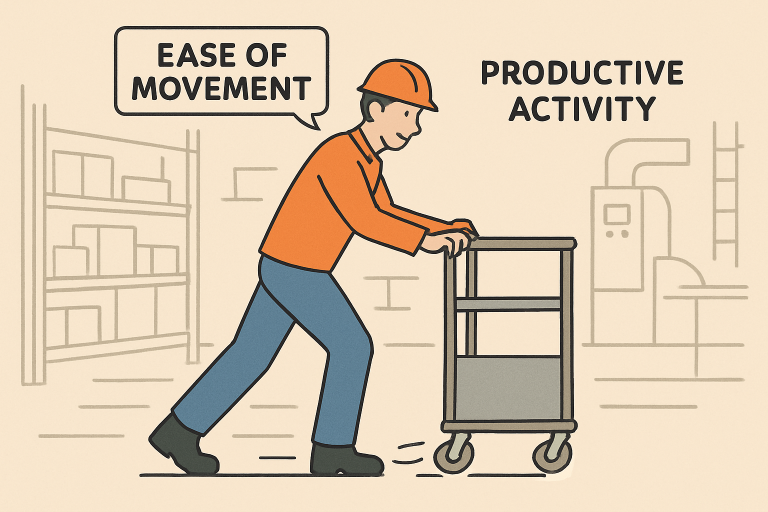
In today’s competitive business environments, maximizing productivity and minimizing wasted time are central goals for any organization. The use of mobile equipment has become essential to achieve these objectives. Capable of being transported throughout any facility, industrial steel caster wheels and similar mobility solutions allow vital tools and machines to be quickly moved wherever they are required most. This flexibility reduces unnecessary waiting periods, ensures resources are always at hand, and empowers teams to work more effectively.
Whether on bustling construction sites or complex manufacturing floors, integrating mobile equipment supports operators by eliminating many of the physical barriers of traditional, fixed machinery. It transforms static workflows into dynamic, adaptable processes, making organizations better equipped to handle sudden changes and unexpected demands. As a result, businesses not only benefit from increased output but also from a workforce that enjoys improved safety and reduced physical strain.
Reducing Downtime with Mobility
One of the most immediate benefits realized from using mobile equipment is the reduction of downtime across workflows. By fitting workstations, tools, and heavy machinery with high-quality caster wheels or portable bases, resources can be deployed directly to where the action happens. In industries like logistics and warehousing, this means forklift trucks and portable workbenches can be rolled out to incoming shipments or high-priority projects without delay. Reducing unnecessary walking or manual material transport enables tasks to be completed faster and schedules to stay on track.
Furthermore, less downtime enables more consistent production cycles, lowering the risk that small delays will accumulate into significant project overruns. Teams can quickly shift focus, reallocate resources, or troubleshoot on the spot, rather than wasting minutes or hours moving between fixed stations. According to recent insights from McKinsey & Company, even incremental improvements in efficiency through mobility can have measurable impacts on a company’s bottom line.
Enhancing Flexibility in Operations
Change, shifting priorities, varying customer requirements, and evolving regulations characterize modern workplaces. Mobile equipment allows organizations to respond swiftly by reconfiguring work zones on demand. For instance, in manufacturing and automotive assembly lines, portable racks and tool carts accelerate layout optimization as new products or workflows are introduced. According to Wood Magazine, resources such as roll models for hardware and tool organization can help teams select the right mobile solutions for specific tasks, ensuring both efficiency and durability. This level of adaptability makes it easier to scale up operations during periods of high demand or quickly downsize during slow spells, avoiding unnecessary costs.
Flexibility also enables greater innovation. When employees are empowered to rearrange their workspace, they can test new configurations that might improve efficiency or safety. Over time, best practices can be developed organically and widely adopted across the organization, accelerating continuous improvement initiatives.
Improving Safety and Ergonomics
Safety is a critical concern in any environment where manual material handling, machinery operation, or heavy lifting are common. Mobile equipment, especially when designed with ergonomic considerations, can drastically reduce workers’ physical strain. For example, carts and platforms with adjustable heights allow tools and parts to be accessed at a comfortable level, reducing repetitive bending or reaching that can lead to musculoskeletal injuries.
By minimizing the need for employees to transport heavy items manually, the likelihood of accidents and injuries is substantially reduced. This investment in ergonomic solutions contributes to reduced absenteeism, lower healthcare costs, and a more satisfied workforce, supporting the long-term sustainability of any operation.
Achieving Cost Savings Through Optimization
Adopting mobile equipment provides significant cost advantages by making better use of existing resources and labor. When machines and workstations can be easily repositioned, businesses reduce the necessity for duplicate assets and minimize underutilized equipment. Moreover, efficient personnel utilization enables more work to be completed within the same shift, reducing overtime requirements.
Lower maintenance costs are another significant financial benefit. Mobile solutions can be designed for easy cleaning and repair, extending their operational lifespan. By closely monitoring how and where equipment is used, companies can also better plan future investments, focusing on proven efficiencies rather than speculation.
Conclusion
Integrating mobile equipment is more than a trend—it’s a strategic imperative for modern workplaces seeking increased efficiency, adaptability, safety, and cost savings. As industries continue to navigate new challenges and competitive pressures, the ability to transform any workspace through mobility will distinguish leaders from laggards. Embracing these innovative solutions ensures that businesses remain productive, agile, and ahead of the curve in today’s evolving marketplace.