
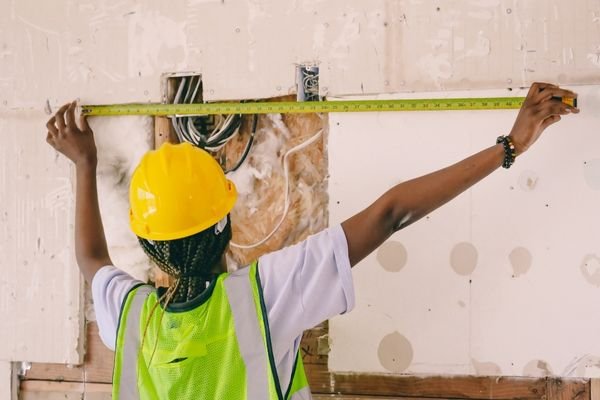
Medical office buildouts are more complex than standard commercial projects. Whether it’s a primary care facility, dental office, or specialty clinic, these projects require careful planning, adherence to healthcare regulations, and designs tailored to specific equipment and workflows. As healthcare providers expand their presence across the region, the need for efficient medical office buildouts continues to grow. The timeline for a Medical Office Buildout in Utah depends on several key phases, including planning, permitting, construction, and final inspections.
Phase 1: Pre-Planning and Design (4–8 Weeks)
The first step is identifying and evaluating a suitable space, then developing a functional layout. The design must consider patient flow, medical equipment placement, staff workflows, accessibility, and regulatory compliance. In this stage, the healthcare provider works closely with architects, designers, and project managers to finalize the project’s scope and budget. Space planning needs to meet state health codes and ADA standards, and overlooking these can cause significant delays. This phase typically lasts four to eight weeks, depending on the speed of decision-making and whether it’s a renovation or a new build. Finalizing an efficient layout early is crucial to prevent expensive changes during construction.
Phase 2: Permitting and Approvals (4–6 Weeks)
Obtaining permits is one of the most time-consuming steps in a medical office buildout. This process involves submitting architectural and engineering plans to local authorities and addressing any required corrections. Because medical facilities must comply with strict health, fire, and building codes, the approval process often takes longer than for standard office spaces. Plans must be reviewed and approved by local building departments, state health authorities, and sometimes the fire marshal before construction can begin. The timeline may extend further if the project is in a city with high construction activity or seasonal delays. Staying organized and proactive with documentation can help minimize unnecessary delays.
Phase 3: Construction and Buildout (8–16 Weeks)
Construction timelines vary depending on the facility’s size and complexity. Smaller clinics may be completed in eight weeks, while larger specialty clinics could take four months or more.
This phase includes:
- Demolition (if renovating an existing space)
- Framing and drywall
- HVAC, plumbing, and electrical installation
- Medical gas systems (if required)
- Flooring, cabinetry, and finishes
- Installation of medical-specific features like lead-lined walls or ADA-compliant sinks
Weather rarely impacts indoor construction timelines, but sourcing skilled labor and materials can cause slight delays, especially during peak seasons. Efficient subcontractor coordination is crucial to staying on schedule.
Phase 4: Inspections and Final Approvals (2–3 Weeks)
Once construction is complete, final inspections are required to ensure the space is safe and compliant. These include reviews by building departments, fire authorities, and, in some cases, health inspectors. Systems such as plumbing, HVAC, electrical, and medical gases must adhere to state and federal codes. The inspection timeline depends on inspector availability and how quickly any issues are resolved. Addressing punch-list items promptly helps keep the project on schedule for opening.
Phase 5: Equipment Installation and Staff Training (1–2 Weeks)
After passing all inspections, medical equipment can be installed. Depending on the type of practice, this might include X-ray machines, dental chairs, autoclaves, and specialized furniture. Once installation is complete, staff undergo training to familiarize themselves with the layout and technology. While this phase is shorter than earlier stages, it’s a critical step to ensure the practice is ready to operate smoothly from day one.
Factors That Affect Buildout Timelines
Several factors can accelerate or delay your Medical Office Buildout timeline:
- Scope of Work: Shell spaces generally require more work than second-generation medical offices.
- Permit Jurisdiction: Some cities process permits faster than others.
- Change Orders: Modifying plans mid-construction adds time and costs.
- Material Availability: Delays in cabinetry, lighting, or specialty finishes can impact progress.
- Coordination: The experience of your contractors and how well the team communicates greatly influences the timeline.
Taking time to plan thoroughly at the beginning minimizes costly surprises later.
Conclusion
A medical office buildout typically takes 4 to 7 months, but projects with clear planning, quick permitting, and proactive construction management can stay on the shorter side of that range. Effective communication between stakeholders, dependable contractors, and timely approvals are key to ensuring a smooth process. Understanding these timeframes helps healthcare providers make informed decisions and prepare for their opening. With proper planning, flexibility, and an experienced team, you can keep your buildout on track.