
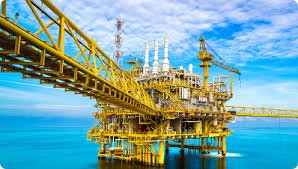
In recent years, the offshore energy industry has seen a growing focus on the safe and sustainable decommissioning of old and obsolete energy infrastructure. As energy platforms age and resources deplete, decommissioning becomes a necessary process for both safety and environmental reasons. This has led to a significant rise in demand for offshore decommissioning services. One company at the forefront of offering such services is Promethean Energy. Through an end-to-end decommissioning contract, Promethean Energy is providing innovative and efficient solutions that ensure the safe and environmentally responsible removal of offshore infrastructure.
But what exactly does an end-to-end decommissioning contract entail, and why is it so important for the energy sector? In this blog post, we will dive deep into this topic, explaining the significance of such contracts, how they work, and the broader impact they have on the offshore decommissioning industry. By the end, you will have a clearer understanding of how these services contribute to regulatory compliance, environmental protection, and cost efficiency in energy decommissioning projects.
What Is an End-to-End Decommissioning Contract?
An end-to-end decommissioning contract is a comprehensive agreement between an energy company and a service provider like Promethean Energy, where the provider is responsible for the entire decommissioning process. This includes everything from the planning and design stages to the physical removal and disposal of offshore platforms, wells, and other related infrastructure. These contracts typically cover a broad scope of activities, ensuring that all aspects of decommissioning are managed under one unified agreement.
The need for such contracts arises from the complexity of offshore decommissioning projects. These tasks require specialized expertise, intricate planning, and careful execution, with an emphasis on safety, environmental responsibility, and regulatory compliance. By contracting a single provider like Promethean Energy for the entire process, energy companies can ensure that all steps are taken efficiently, without delays or miscommunication between multiple contractors.
The Importance of Offshore Decommissioning Services
Offshore decommissioning is not just a technical or financial challenge; it’s also a vital component of maintaining the environmental integrity of our oceans and coastlines. Offshore platforms that are no longer in use can present significant environmental risks, including oil spills, habitat destruction, and water contamination. Without a comprehensive decommissioning plan, these abandoned structures could lead to long-term ecological damage.
That’s where offshore decommissioning services become critical. These services ensure that the process of removing and disposing of offshore infrastructure is conducted safely, minimizing environmental impact while adhering to strict regulations. In many regions, regulatory bodies require energy companies to decommission platforms responsibly, which has led to the increasing reliance on specialized service providers like Promethean Energy.
4 Key Phases of an End-to-End Decommissioning Contract
When working with a service provider like Promethean Energy, an end-to-end decommissioning contract typically involves several critical phases, each with its own set of tasks and requirements. Let’s break down these phases to understand the full scope of the decommissioning process.
1. Planning and Design
The first stage in any decommissioning project is meticulous planning. In this phase, all aspects of the project are carefully assessed and designed. For offshore decommissioning, this includes evaluating the current state of the platform or infrastructure, identifying the most efficient and safe methods for removal, and ensuring compliance with all relevant environmental regulations.
Promethean Energy plays a crucial role here by providing expertise in designing a bespoke decommissioning plan. This plan will typically outline the process, timeline, and key milestones, as well as safety protocols to minimize risks to workers and the environment.
2. Environmental Impact Assessment
Before proceeding with any physical work, an environmental impact assessment (EIA) is usually conducted to determine the potential risks associated with decommissioning the offshore facility. This includes evaluating the impact of platform removal on local marine life, water quality, and surrounding ecosystems.
By ensuring a thorough EIA, Promethean Energy can help mitigate risks and ensure that decommissioning activities meet both local and international environmental standards.
3. Execution: Dismantling and Removal
Once the planning and assessments are complete, the physical work of dismantling and removing the offshore infrastructure begins. This stage involves cutting and lifting large sections of the platform, managing hazardous materials, and safely disposing of waste products. Each piece of the infrastructure must be handled carefully, particularly when dealing with hazardous materials like chemicals or oil residues.
For a project as complex as this, a coordinated and experienced team is crucial. Promethean Energy brings advanced technology and skilled personnel to manage every aspect of dismantling, ensuring that the project is completed on time and within budget.
4. Disposal and Recycling
Decommissioning does not end with the removal of the structure. The final phase involves the disposal of materials and, wherever possible, recycling them to reduce waste and minimize environmental impact. Metal, concrete, and other materials from offshore platforms can often be repurposed for use in other industries, helping to reduce the demand for new raw materials.
Promethean Energy works to ensure that all materials are disposed of responsibly, complying with environmental laws and promoting sustainable practices throughout the entire process.
Why Choose Promethean Energy for Offshore Decommissioning?
With numerous companies offering decommissioning services, why should an energy company consider Promethean Energy for their offshore decommissioning projects? There are several reasons why Promethean Energy has earned a strong reputation in the industry.
Experience and Expertise
One of the primary reasons to choose Promethean Energy is their extensive experience in the offshore energy sector. With a team of skilled professionals and cutting-edge technology, the company can handle the complexities of offshore decommissioning with efficiency and precision.
Comprehensive Services
Promethean Energy offers a full range of services, from initial planning to final disposal. This “end-to-end” service model is particularly valuable because it reduces the need for coordination between multiple contractors, which can sometimes lead to inefficiencies or delays. Having a single, experienced provider manage the entire project streamlines the process and helps ensure that everything is completed on schedule.
Sustainability and Compliance
Sustainability is a key focus of Promethean Energy. The company works to ensure that all decommissioning activities are in compliance with local and international environmental standards. Their approach minimizes environmental risks and ensures that all materials are disposed of responsibly.
Cost Efficiency
Decommissioning offshore infrastructure can be expensive, but Promethean Energy works with clients to find cost-effective solutions that meet both operational and environmental goals. Through efficient planning and execution, they help energy companies reduce the overall costs associated with decommissioning.
3 Challenges in Offshore Decommissioning and How to Overcome Them
While offshore decommissioning is critical, it comes with its own set of challenges. Here are some common obstacles energy companies face, along with tips on how to overcome them.
1. High Costs
Decommissioning offshore platforms can be a costly endeavor. To overcome this, energy companies should work closely with service providers like Promethean Energy to develop a realistic budget and timeline. By planning in advance and utilizing efficient decommissioning methods, costs can be kept under control.
2. Environmental Concerns
Environmental risks are one of the most significant concerns during decommissioning projects. To address this, companies must prioritize environmental assessments and implement mitigation measures to ensure the protection of local ecosystems. Promethean Energy’s expertise in environmental compliance ensures that decommissioning projects are handled with the utmost care.
3. Regulatory Hurdles
Decommissioning projects must adhere to numerous regulations, which can vary by region. Partnering with a service provider who understands local and international regulatory requirements can help streamline the process. Promethean Energy’s in-depth knowledge of regulatory frameworks ensures that every project complies with the latest standards.
Conclusion: The Future of Offshore Decommissioning
As the offshore energy sector continues to evolve, the importance of responsible and sustainable decommissioning practices will only grow. By partnering with experienced providers like Promethean Energy, energy companies can ensure that their decommissioning projects are handled efficiently, safely, and in compliance with all environmental and regulatory standards.
Whether you’re involved in the planning of a new offshore project or managing the decommissioning of an old one, understanding the significance of offshore decommissioning services and the value of an end-to-end decommissioning contract is key. By focusing on innovation, sustainability, and cost-efficiency, the energy industry can move forward with decommissioning practices that benefit both businesses and the planet.
In the coming years, we can expect to see more companies like Promethean Energy leading the way in making offshore decommissioning processes smarter, safer, and more sustainable.